



Download your copy of the Risks and precautions for fuel storage at home fact sheet (PDF, 230.9 KB)
Risks and precautions for fuel storage at home
Tasmanians are reminded that transporting and storing fuels such as petrol and diesel carry health and safety risks. You may also have legal obligations under Tasmania’s dangerous goods laws when storing or handling certain quantities—even at a residential property.
For safer storage, consider where you store fuel, how much you keep, the type and condition of the container, and your emergency preparedness.
Place of storage and quantities
Australian standard 1940 provides the following:
Minor storage of PETROL in residential buildings of any type
- Within a residence – 5L
- Inside a garage attached to a home if the wall separating the house and garage is a 60/60/60 Fire Rating Level (FRL) wall - 25L
- Outdoors, uncovered or in a shed or garage separated from the residence or any other building by 1m space – 100L
- Outdoors, uncovered, or in a shed separated from the residence or structure or boundary by either 3m of space or a wall having an FRL of 180/180/180 - 250L
Minor storage of DIESEL in residential buildings of any type
- Within a residence – 25L
- In garage attached to a residence with a 60/60/60 FRL separating wall – 50L
- Outdoors, uncovered or in a shed or garage separated from the residence or any other building by 1m space – 250L
- Outdoors, uncovered, or in a shed separated from the residence or structure or boundary by either 3m of space or a wall having an FRL of 180/180/180 – 250L
Where quantities of stored fuel (of any kind) exceed 250 litres, additional regulatory requirements apply under the work health and safety laws. These include the need for appropriate placarding, maintaining safety data sheets, preparing and keeping a manifest of hazardous chemicals, and implementing suitable risk control measures to manage the increased risk.
What to store fuel in
To reduce the risk of leaks, fire, or explosion, petrol and diesel must be stored only in approved containers.
- Use a container that complies with Australian Standard AS 2906 and carries UN performance test markings (see Figure 1).
- Containers must be less than 5 years old—check the embossed date of manufacture (Figure 2).
- Ensure containers are free from damage, swelling, distortion, or other defects. Damaged or outdated containers are more likely to:
- rupture or leak, leading to dangerous fuel spills
- create hazards during transport if fuel leaks inside a vehicle
- release vapour in enclosed spaces, increasing fire risk
- ignite from small ignition sources
Containers compliant with AS 2906 undergo testing to ensure they will not corrode, leak, or fail under normal handling conditions.
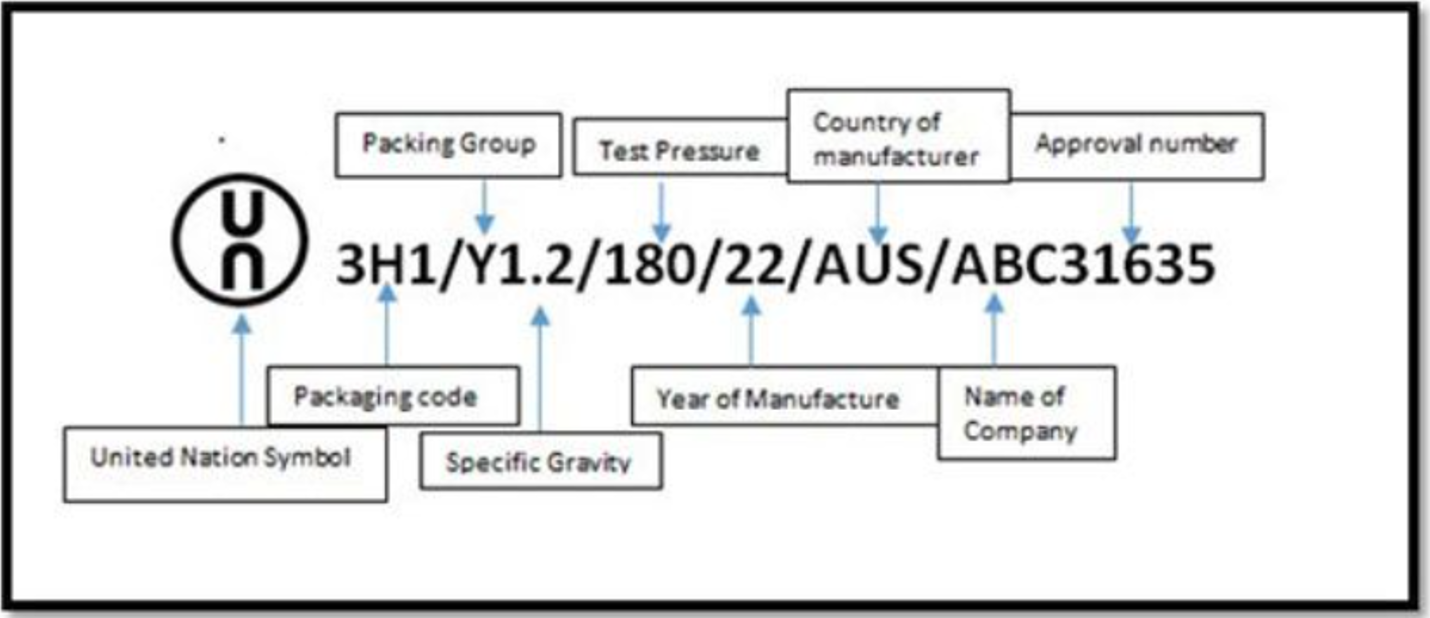
Figure 1: Example of UN approval marking

Figure 2: Example date‑of‑manufacture code. Inner circle = month; outer circle = year.
This container was manufactured in November 2023.
Safe storage of fuel
- Ensure the storage location is adequately ventilated
- The area around the storage location should be kept clear of flammable or combustible materials
- Any materials that could interact with the fuel or its vapours should not be stored in the same location (e.g pool chlorine)
- Do not store fuel next to hot surfaces (e.g furnaces)
- Ensue any spills are cleaned up immediately
- Ensure there are no uncontrolled sources of ignition in any space where fuel is being stored (e.g do not smoke in or around an area where fuel is being stored)
WARNING: Even small quantities of fuel if spilt, can cause a vapour cloud that can travel considerable distances and flashback.
Transporting Fuel
The Australian Dangerous Goods Code (ADG Code) provides comprehensive guidelines on classification, packaging, storage, and transport of dangerous goods.
Please be aware that if you are transporting fuel in a receptacle with a capacity greater than 500L you may be subject to placarding and/or dangerous good driver licensing requirements.
Hazards
Petrol vapour inside a vehicle can create an explosive fuel air mixture. If an ignition source is present, this mixture may ignite or explode, severely injuring the driver or passengers.
Potential ignition sources include:
- electrical systems in the vehicle (e.g. remote locking mechanisms)
- smoking or lighting a cigarette inside or near the vehicle
Ventilation is essential to reducing fire or explosion risk when transporting fuel.
Safe transport of fuel
- Use containers no larger than 25 L for petrol to reduce ignition risk from static electricity.
- Always fill containers on the ground, not inside a vehicle, trailer, ute tray, or boot.
- Transport containers upright and securely fastened.
- Where possible, transport fuel in a ute tray or trailer, rather than inside the cabin or boot.
Prepare for an emergency
Ensure you are prepared should an incident occur:
- Install and maintain working smoke alarms.
- Keep a spill kit accessible.
- Safely dispose of fuel soaked materials.