



Silica dust exposure is life-threatening.
Exposure is preventable.
You can be safe by following the right safety measures.
Silica is a mineral plentiful in the earth’s crust and is a primary component of rocks and soils. It can be found in both crystalline and non-crystalline forms, and ranks as the second most common mineral on the earth’s surface.
Workers in mining, mining processing and quarrying work with many materials that contain silica such as granite and sandstone. Untreated beach sand particles are usually too coarse to be inhaled, so they don't pose the same level of risk unless they have been blasted.
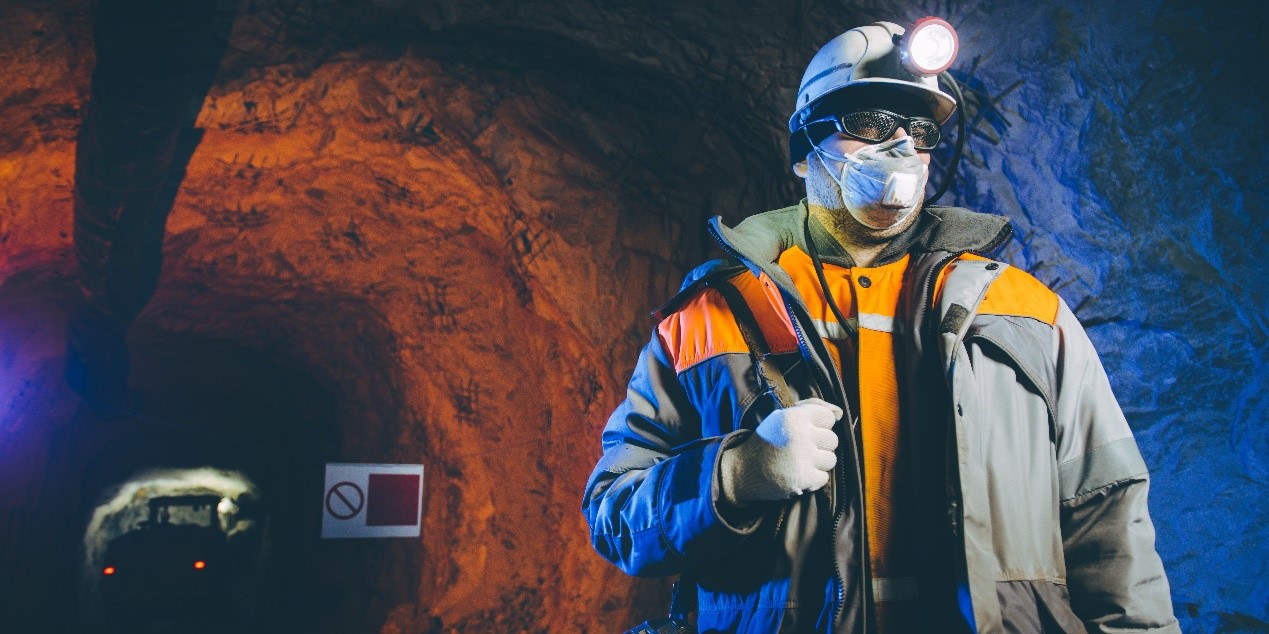
This image shows a worker working in an area where tunnelling is being done.
Materials containing silica aren’t dangerous until they are disturbed when working with them. Disturbance can happen when cutting, drilling or jackhammering a material. These tasks create silica dust which creates a significant risk to workers.
Silica dust is released into the air when workers are:
- cutting, chiselling or drilling into stone or rock
- jackhammering or sawing stone or rock
- blasting or crushing stones or rock
- screening gravel containing silica
- excavating sites with silica-containing stone
- grinding and milling powders containing silica
- housekeeping like dry sweeping
- changing filters or collection bags
- removing work clothes and PPE containing silica
- working near other workers doing these tasks.
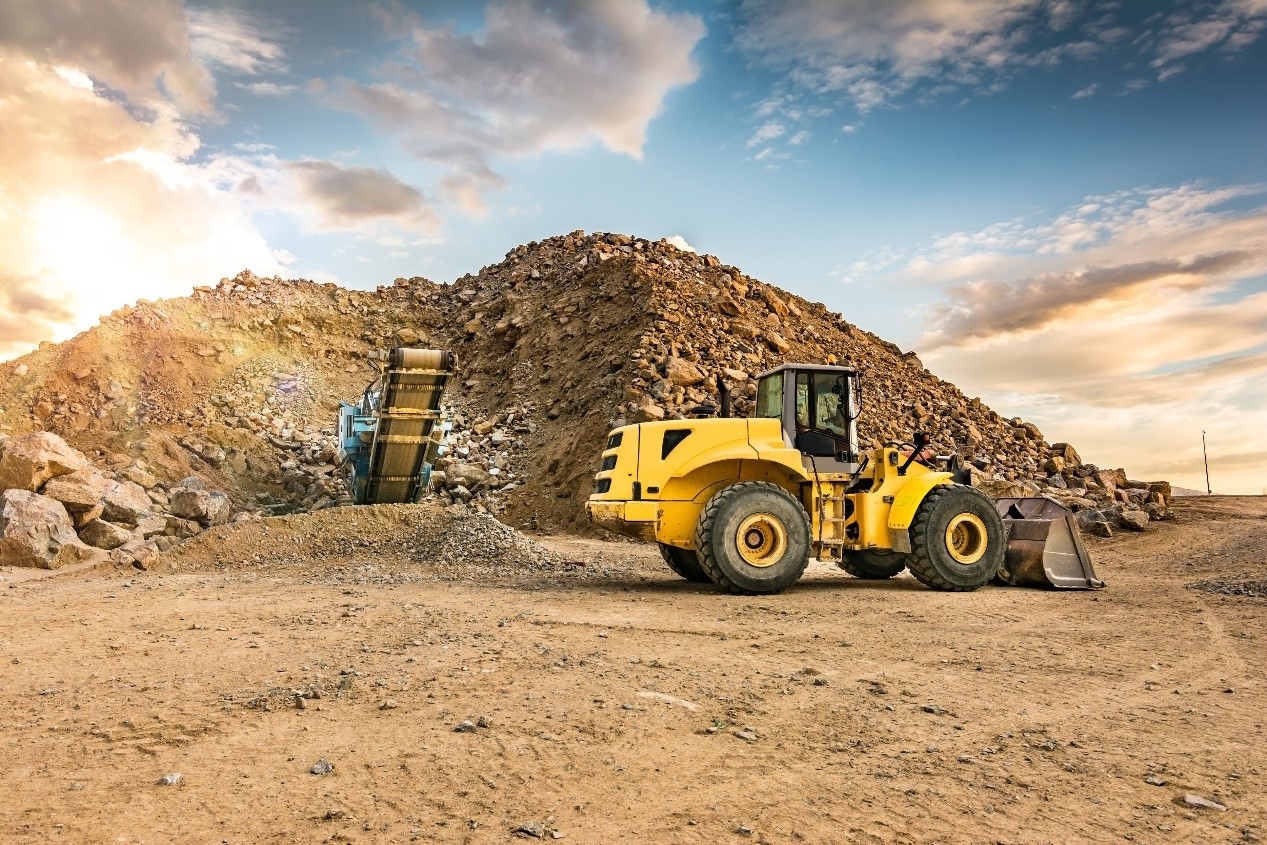
This image shows workers excavating a site
Resources

Managing silica at quarry and mining sites guidance note (PDF, 4.6 MB) This guidance note provides further information to ensure compliance with work health and safety requirements.